20 Vintage Floral Frame Collection
First Impressions: Delicate, Timeless, and Quietly Confident
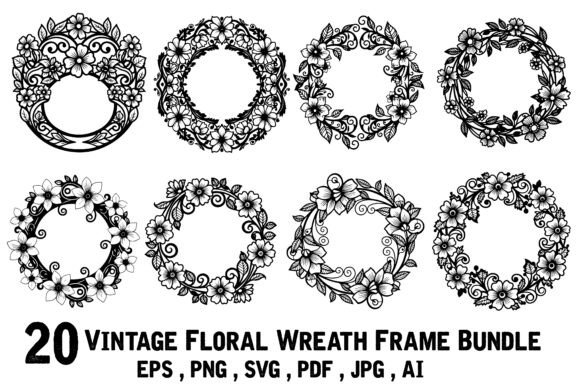
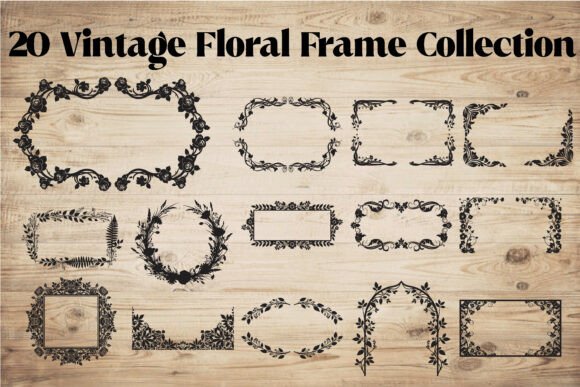
Opening the 20 Vintage Floral Frame Collection feels like flipping through a well-loved botanical sketchbook from the 1920s—soft curves, balanced asymmetry, and just enough detail to feel intentional without tipping into fussy. These aren’t clip-art frames. They’re illustrations with rhythm: rose frames that breathe, leafy corners that anchor rather than overwhelm, and ornamental borders that suggest heritage—not nostalgia for its own sake. As an embroidery designer who’s stitched hundreds of client projects, I immediately sensed their versatility: they’d hold up beautifully on a linen tea towel, elevate a baby onesie without looking cutesy, or frame a monogram on a boutique apron with quiet authority.
Real-World Use: From Tote Bag to Nursery Decor
Last week, I prepped a custom embroidered tote for a local florist’s pop-up—cotton canvas, medium weight, natural undyed. I chose one of the smaller rose frames from the 20 Vintage Floral Frame Collection to wrap around the shop’s initials. It worked because the design’s open negative space let the fabric show through, preventing stiffness. No dense fill stitch muddied the texture; instead, satin-stitched petals and fine running-stitch vines gave dimension without bulk. That same frame translated cleanly to a sweatshirt project—stitched on stable knit with tear-away + cut-away stabilizer—and held crisp lines even after three washes in cold water.
I also tested a larger botanical wreath on a cotton-linen pillow cover. The scale felt right: generous but not dominant, with graceful spacing between stems and blossoms. Customers notice that balance—it signals care, not automation. For Etsy sellers, that perception matters. A handmade product with a well-chosen frame like this reads as considered, not generic. It supports brand consistency across listings, especially when used consistently across patches, tea towels, and holiday gift tags.
Where Caution Is Warranted
Not every frame in the 20 Vintage Floral Frame Collection behaves the same on tricky substrates. On thin rayon challis? The finer leafy corners risk shadowing or puckering—test with lightweight stabilizer and lower tension. On dark fabric, some delicate outlines (especially those relying on subtle running stitch) can vanish unless you pair them with high-contrast thread. And curved surfaces—like the front panel of a structured cap—demand careful placement: avoid frames with tight inner corners or densely stitched centers there. They’ll distort.
Also, don’t assume all 20 work equally well at small hoop sizes. Several have intricate inner flourishes that simply won’t resolve cleanly under 3" x 3". If you’re embroidering baby caps or tiny appliqué patches, prioritize the simpler leafy corners or streamlined rose frames—and always inspect stitch density before committing. Dense fill areas may shift on stretchy knits or require floating stabilizer. And remember: frequent washing amplifies wear on satin-stitched edges. Reserve the most detailed frames for low-wear items like wall art, nursery prints, or boutique packaging.
What This Collection Adds to Your Finished Product
It adds trust. When a customer sees clean, balanced framing on a personalized gift—say, a vintage-style kitchen towel with a monogram nestled inside one of these floral frames—they subconsciously register craftsmanship. That impression lifts perceived value, supports premium pricing, and encourages repeat orders. For craft business owners, that’s not decorative fluff—it’s functional differentiation.
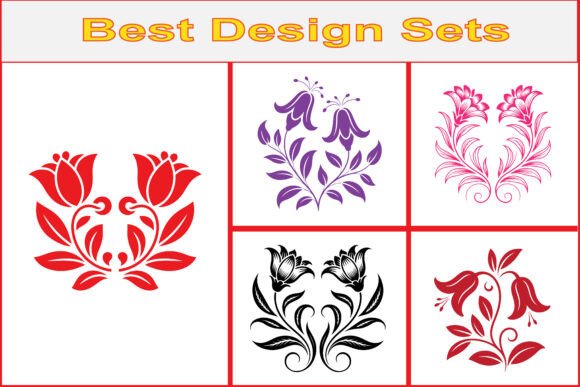
It also adds flexibility. Because these are Illustrations first and embroidery-ready Graphics second, they adapt. You can use them as-is for machine embroidery design, simplify them for hand-stitched samplers, or layer them behind text in printable mockups for Etsy previews. Their visual personality stays intact whether stitched in ecru on oatmeal linen or bold navy on white denim. That consistency helps unify collections—think holiday embroidery sets, bridal boutique branding, or seasonal small shop product drops.
Practical Designer Notes Before You Stitch
- Always test the 20 Vintage Floral Frame Collection on scrap fabric matching your final substrate—especially for texture, stretch, and weight.
- Check thread color contrast early: print a black-and-white mockup to see how line weight holds up without color distraction.
- Review stitch density in your embroidery software. Trim unnecessary underlay if working on stable woven fabrics.
- Confirm hoop size compatibility—some frames span wider than standard 4" x 4" hoops, especially the full botanical wreaths.
- Inspect small details at actual stitch-out size: tiny buds or vine tips may need slight digitizing tweaks for clarity on textured fabrics.
- Use proper stabilizer—cut-away for knits, tear-away for wovens, and fusible for lightweight layers.
- Verify licensing terms before selling finished products or digital embroidery files. Commercial use isn’t automatic—even for Graphics labeled “for crafters.”
Final Thought: Not Just Pretty—Purposefully Designed
The 20 Vintage Floral Frame Collection doesn’t shout. It settles in. That’s its strength. In a market flooded with over-digitized, overly saturated embroidery files, this set stands out by honoring restraint. It serves the project—not the ego of the design. Whether you’re stitching a wedding gift, building a cohesive Etsy shop aesthetic, or developing small batch merchandise for a local boutique, these frames support intentionality. They help your handmade product feel grounded, personal, and quietly confident. And in embroidery—where every stitch carries weight—that’s everything.