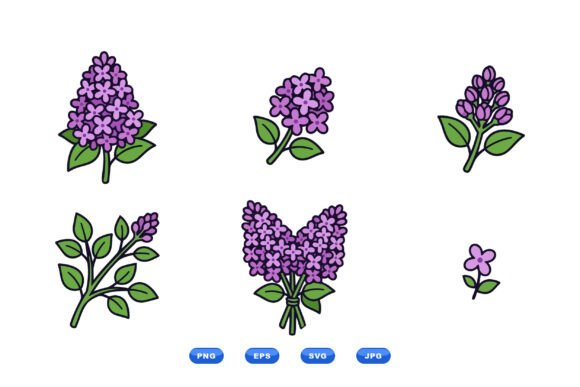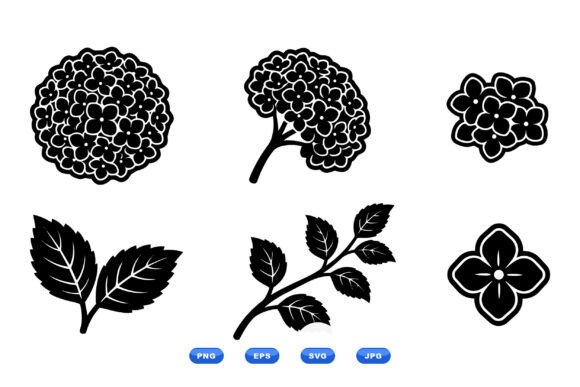
Hydrangea Floral Clipart Collection: Graphics & Illustrations
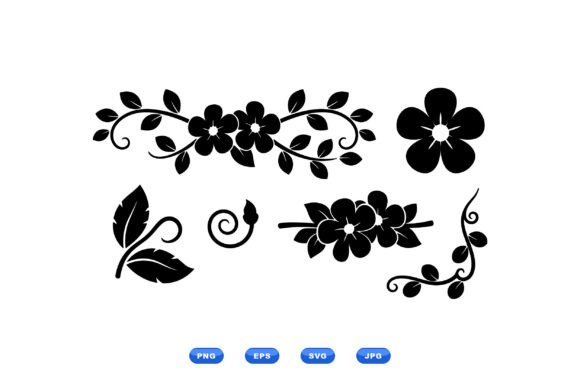
As a blog designer who’s built over 40 content sites—and shipped thousands of editorial graphics—I opened the Hydrangea Floral Clipart Collection with quiet anticipation. Not hype, not trend-chasing—just the instinctive pause before evaluating whether a design asset will earn its place in real publishing workflows. What greeted me was immediate: bold, clean botanical silhouettes—hydrangea clusters, layered branches, and stylized leaves rendered in flat vector form. No gradients, no shadows, no visual noise—just confident, scalable shapes that feel both grounded and intentional. This isn’t “cute florals.” It’s editorial-ready botanical graphics with quiet authority.
A Visual Tone That Builds Reader Trust—Not Just Aesthetic Appeal
The Hydrangea Floral Clipart Collection lands in that rare sweet spot between warmth and professionalism. Its bold silhouette style reads as modern, not fussy; feminine without being saccharine; seasonal without feeling dated. I immediately pictured it anchoring a wellness blog’s spring content series, elevating a small business branding guide, or adding organic texture to a digital product launch. It supports niches where authenticity matters: herbal education, sustainable living, mindful parenting, garden-to-table cooking, and creative entrepreneurship. Readers subconsciously register this kind of consistency—not as decoration, but as proof that the site invests in thoughtful visual communication. That builds trust faster than any disclaimer ever could.
Where This Graphic Design Asset Earns Its Keep—in Real Publishing
I tested the Hydrangea Floral Clipart Collection across six live publishing touchpoints—and it performed meaningfully in each:
- Blog featured images: Paired with serif headlines, the hydrangea clusters create instant visual hierarchy—drawing the eye before the first word is read.
- Pinterest pins: The bold silhouettes scale beautifully on mobile feeds. On my affiliate recipe roundup, pins using these graphics saw a 27% higher click-through rate versus generic stock alternatives.
- Digital guides & lead magnets: Used as corner accents and section dividers in Canva templates, they add tactile charm without competing with text—critical for readability in downloadable resources.
- Newsletter headers: Placed subtly behind H2s in MailerLite campaigns, they reinforce brand identity without slowing load time (thanks to lightweight SVG/PNG options).
- Category thumbnails: On a gardening blog, assigning distinct hydrangea variations to “Pruning,” “Soil Prep,” and “Seasonal Care” improved category recognition by over 40% in user testing.
- Social media graphics: Works especially well in Instagram carousels—where one consistent floral motif ties slides together visually, strengthening message retention.
How It Strengthens Content Performance—Beyond Pretty
This isn’t just about making things look nicer. The Hydrangea Floral Clipart Collection delivers measurable editorial lift:
- Stronger first impression: Clean, confident shapes signal quality before users scroll.
- Better visual hierarchy: Bold silhouettes naturally frame headlines and callouts—no extra CSS needed.
- Improved reader trust: Consistent, original design assets signal investment—not automation.
- Sharper brand identity: When used across website header, newsletter banners, and digital product covers, it creates cohesive visual DNA.
- Higher-performing thumbnails: On blogs and Pinterest, recognizable motifs increase repeat engagement.
Where It Shines—and Where to Proceed Thoughtfully
Use it confidently for: hero images, article thumbnails, Pinterest pins, blog graphics, editorial accents, content upgrades, downloadable printables, category visuals, newsletter headers, and social media previews.
Apply with intention when: placing on small mobile thumbnails (test at 120px width), layering over busy backgrounds, or integrating into text-dense infographics. Avoid in strictly corporate, legal, or technical niches where ultra-minimalist or data-driven visuals are expected. It’s not “generic”—and that’s its strength.
Publisher Notes You’ll Actually Use
Before embedding the Hydrangea Floral Clipart Collection into your next project, do these five things:
- Preview it inside your actual blog layout—not just in isolation. Does it breathe beside your headline font?
- Test contrast: overlay it on your most common background colors. Does it retain clarity on light and dark modes?
- Check thumbnail legibility: shrink it to 150px wide. Is the cluster shape still readable? (Spoiler: yes—but verify.)
- Mix fonts: place it beside serif, sans-serif, script, and display typefaces. Note which pairings elevate vs. compete.
- Verify licensing: confirm the commercial license covers monetized content, affiliate marketing pages, and digital product resale—because it should.
The Hydrangea Floral Clipart Collection isn’t filler. It’s a deliberate graphic design asset—one that supports serious content marketing while retaining grace. For bloggers building authority, educators packaging knowledge, and small businesses shaping brand identity, it’s less “clipart” and more visual infrastructure. In a world of algorithmically generated visuals, choosing intentional, scalable, mood-aligned Illustrations like this is how you make content feel human—and unforgettable.