Sweet Pea Floral Clipart: Graphics & Illustrations for Sellers
As a digital product creator who’s launched over 200 Etsy listings and scaled design assets across Creative Fabrica, Shopify, and print-on-demand platforms, I opened Sweet Pea Floral Clipart with one question: *Does this asset solve real selling problems—or just add visual clutter?*
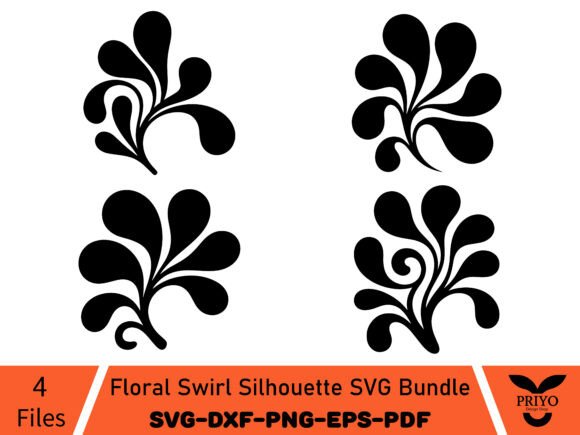
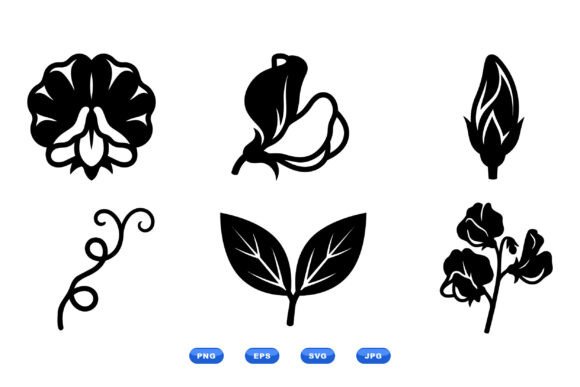
First impression? Clean. Calm. Confidently minimal. This is a flat black vector set of six cohesive floral silhouettes—bloom, bud, leaf, tendril, and two subtle variations—that breathe quiet elegance without shouting. It doesn’t try to be boho, vintage, or maximalist. Instead, it lands in that sweet spot between handmade warmth and modern commercial polish—ideal for small business branding that values clarity over chaos.
The mood is softly feminine but not saccharine, botanical but not overly literal. It leans into minimalist decorative appeal—think apothecary labels, nursery wall prints, wedding invitation accents, or subtle tumbler wraps—not bold statement tees or festival posters. If your audience shops for slow-living aesthetics, mindful gifting, or elevated everyday goods, Sweet Pea Floral Clipart fits like a well-tailored sleeve.
I tested it across seven real product categories before finalizing my spring collection:
- SVG products: Cut cleanly on Cricut Design Space and Silhouette Studio—no stray anchor points or compound path issues. Ideal for vinyl decals, iron-on transfers, and layered sticker sheets.
- PNG designs: Transparent background PNGs render crisply at 300 DPI—even scaled down to 2” for planner sticker sheets. No fringing or anti-aliasing blur.
- Sublimation designs: Works beautifully on light ceramic mugs and cotton tote bags when paired with soft serif typography (think Playfair Display or Cormorant Garamond).
- Printable wall art: Stands alone as a single bloom in a frame—or layers subtly behind hand-lettered quotes for depth without distraction.
- Canva templates: Drops into social media banners, blog headers, and digital planners without competing with text. Its negative space invites breathing room.
- Greeting cards & invitations: Adds refined detail to digital or printed stationery—especially when used as corner accents or border elements.
- Digital paper packs: Scales elegantly into seamless patterns or serves as standalone motifs in printable scrapbooking kits.
Where Sweet Pea Floral Clipart elevates product presentation is in consistency and perceived value. Used across a seasonal bundle—say, “Spring Botanical Planner Kit” or “Nursery Print Collection”—it builds visual hierarchy and brand trust fast. A matching bloom on your listing thumbnail, mockup preview, and downloadable instruction PDF tells buyers you’ve thought through the full experience. That cohesion boosts click-through potential, especially on crowded marketplaces like Etsy or Creative Fabrica.
It shines brightest in large-format previews: mug mockups, framed wall art renders, and lifestyle shots where its delicate lines read clearly against neutral backdrops. In themed bundles—like a “Minimalist Wedding Suite” or “Self-Care Printable Pack”—it adds quiet sophistication without requiring heavy editing.
But here’s where realism matters: Sweet Pea Floral Clipart isn’t universal. Avoid using it for tiny sticker details under 0.5”, where fine tendrils may vanish or print inconsistently. Skip overly complex layouts—its strength is simplicity, not density. On dark backgrounds, test contrast first; flat black loses impact without a subtle drop shadow or stroke. And if your product relies on razor-sharp cutting lines (e.g., intricate Cricut foil projects), inspect each SVG path manually—some tendril ends taper too finely for reliable blade tracking at ultra-small sizes.
Before publishing any listing, I run these five practical checks:
- Preview the PNG on both white and charcoal mockups—does it retain presence?
- Import the SVG into Cricut Design Space and run a test cut on cardstock—do all elements separate cleanly?
- Zoom to 400% in Illustrator—check for stray points, overlapping paths, or inconsistent stroke weights.
- Drop the bloom into a Canva template beside three font styles (serif, sans serif, script)—which pairing feels most aligned with your brand voice?
- Verify the commercial license explicitly permits finished goods—no derivatives-only clauses.
File organization matters too. When bundling Sweet Pea Floral Clipart into a larger digital download, group by format (SVG, PNG@2x, PNG@1x), label clearly (“Bloom_SVG”, “Tendril_PNG”), and include a quick-use guide—even one sentence per file helps customers move faster from download to product.
For Canva template sellers, pair it with Montserrat for clean headings and a light script font like Pacifico for gentle emphasis. For t-shirt or mug designs, let the bloom anchor one corner while letting typography carry the message—this keeps focus on wearability and readability. In packaging design, it works wonders on kraft paper labels or matte-finish soap wraps, reinforcing a natural, small-batch feel.
One underrated strength? Its versatility across customer touchpoints. Use the leaf motif in email headers, the bud as a bullet point icon in digital guides, the tendril as a divider in blog graphics. That kind of repetition builds subconscious recognition—key for small business branding without a big ad budget.
Bottom line: Sweet Pea Floral Clipart isn’t flashy—but it’s dependable. It solves real problems for digital product creators who value precision, scalability, and quiet professionalism. It’s the kind of graphic design asset that doesn’t distract—it supports. And in a marketplace flooded with loud, trend-chasing clipart, that restraint is its strongest selling point.
If you’re building printable designs, sublimation files, Canva templates, or Cricut projects for an audience that values intentionality over intensity, this set earns its place in your working library—not as decoration, but as infrastructure.