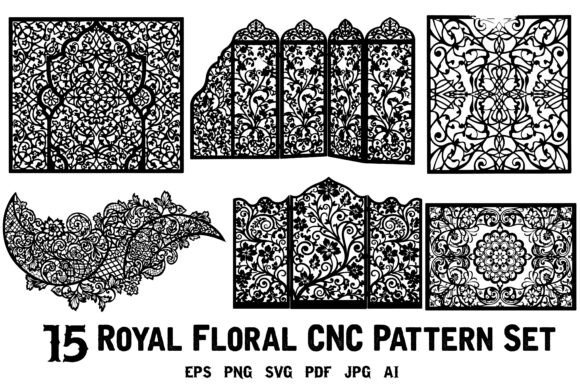
15 Royal Floral CNC Pattern Set
Elegant Florals That Demand Intentional Embroidery
As someone who’s stitched hundreds of client projects—from boutique aprons to nursery wall hangings—I opened the 15 Royal Floral CNC Pattern Set expecting ornate, high-detail motifs. What I found wasn’t just “pretty.” It was a collection with quiet authority: symmetrical blooms, layered petals, and rhythmic vine work that feels both heirloom and modern. These aren’t filler graphics—they’re design assets built for presence. I immediately pictured one centered on a linen tea towel for a local kitchenware shop, or scaled down as an embroidered monogram accent on a baby onesie.
First Impressions: Mood, Scale, and Embroidery Readiness
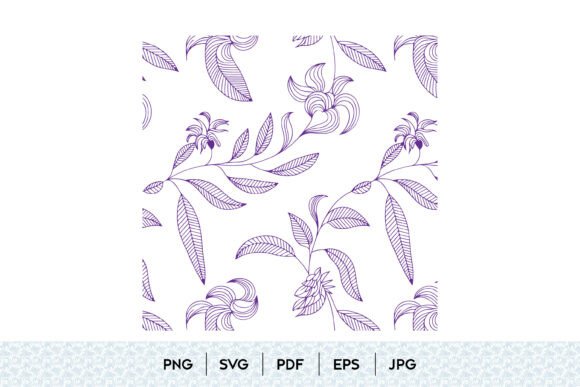
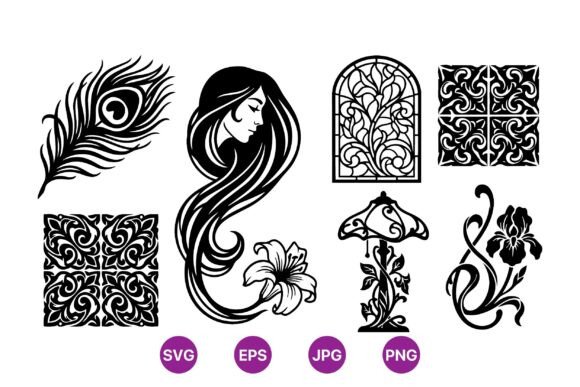
The 15 Royal Floral CNC Pattern Set leans into regal restraint—not fussy, not overwhelming. Think damask-inspired structure with botanical softness. Most patterns sit comfortably between 3.5”–5.5”, making them versatile for medium hoop sizes without sacrificing intricacy. The line weight varies thoughtfully: some stems use fine running stitch lines, while central blossoms rely on dense satin stitch zones for dimension. That tells me this set was drafted with stitch behavior in mind—not just vector appeal. As an Illustrations collection, it’s visually cohesive; as Graphics, it’s engineered for translation into thread.
Real-World Stitching: Where This Set Shines (and Where It Asks for Care)
Last week, I prepped a custom order: three matching embroidered tote bags for a florist’s pop-up stall. I tested two patterns from the 15 Royal Floral CNC Pattern Set on cotton canvas—first with tear-away stabilizer, then with cut-away for extra hold. The result? Crisp petal edges, smooth satin fill transitions, and zero puckering—even at moderate stitch density. Customers loved the refined look; one asked if it was hand-embroidered.
Here’s where it works best:
- Custom apparel: Perfect for sweatshirt embroidery on crewnecks or back panels—floral motifs read clearly even on textured fleece.
- Embroidered patch: Several designs in the set have clean outer borders and balanced negative space, ideal for iron-on or sew-on patches.
- Baby embroidery: Smaller-scale florals translate beautifully to onesies and burp cloths—soft, meaningful, never cutesy.
- Holiday embroidery: One pattern with trailing ivy and berry accents became a subtle Christmas pillow cover—elegant enough for gifting, timeless enough for year-round use.
- Craft business and Etsy seller appeal: These feel premium without requiring premium pricing—ideal for small shop product differentiation.
Where to Pause and Plan Ahead
This isn’t a “load-and-stitch” set for beginners. Its elegance comes with nuance:
- Small hoop sizes: Avoid cramming the largest patterns into 4x4 hoops—stitch density climbs, tension risks increase, and fine details blur. Stick to 5x7 or larger for full fidelity.
- Stretchy fabric: On knits like jersey tees, use light cut-away stabilizer *under* and a light topping *over*—the vines and petal curves need consistent surface control.
- Dark fabric: Test thread colors early. Some delicate inner filigree disappears on black or navy unless you boost contrast with metallic or ecru top threads.
- Curved surfaces: Caps and hats require careful placement—avoid placing the most intricate bloom centers directly over seams or crowns where distortion occurs.
- Frequent washing: Dense satin areas hold up well, but avoid placing ultra-fine stem lines near hems or cuffs that undergo repeated friction.
Design Judgment: How This Set Elevates Your Finished Product
What makes the 15 Royal Floral CNC Pattern Set stand out isn’t just prettiness—it’s how it shapes perception. A customer receiving a personalized gift with one of these motifs doesn’t see “embroidery.” They see care. They see intention. That lifts perceived value instantly—especially for handmade product listings, boutique branding, or Etsy sellers competing on authenticity.
I’ve watched buyers linger longer on mockups using these florals. Why? Because they read as *designed*, not assembled. The balance of open space and detail supports brand consistency across products—whether you’re stitching a pillow cover today and a holiday ornament next month. And for digital embroidery file sellers: these are strong candidates for printable mockup bundles. Their clarity at multiple scales means your previews look professional before a single stitch is made.
Practical Notes Every Embroidery Designer Should Run Through
Before committing to a client project or listing a finished product:
- Test the machine embroidery design on scrap fabric that matches your final substrate—thread color, stabilizer, and tension all shift with texture.
- Review stitch density in your software. If it exceeds 18,000 stitches for a 4” motif, consider simplifying outer vines or reducing fill opacity for breathability.
- Confirm hoop size compatibility—don’t assume all 15 patterns fit your standard setup.
- Inspect small details at 200% zoom: tiny buds, stamen lines, and connecting tendrils must digitize cleanly, especially for applique design adaptation.
- Run black-and-white mockups. If the pattern loses hierarchy or legibility without color, adjust underlay or add subtle contour stitches.
- Compare light and dark fabric backgrounds—some floral arrangements rely on tonal gradation that fades on low-contrast substrates.
- Use proper stabilizer: medium-weight cut-away for stable wovens, lightweight tear-away + topping for silks or rayon.
- Verify licensing terms before selling finished items or bundling the digital embroidery file—this set is marketed for CNC routing and decorative fabrication, so commercial embroidery rights may require separate confirmation.
The 15 Royal Floral CNC Pattern Set won’t suit every project—but when it fits, it elevates. It’s for makers who treat embroidery as storytelling, not decoration. Whether you’re building a craft business, launching small shop merchandise, or stitching a heartfelt personalized gift, these florals carry weight. Not flash. Not trend-chasing. Just quiet, confident elegance—ready to translate into thread.